Root Canal Treatment
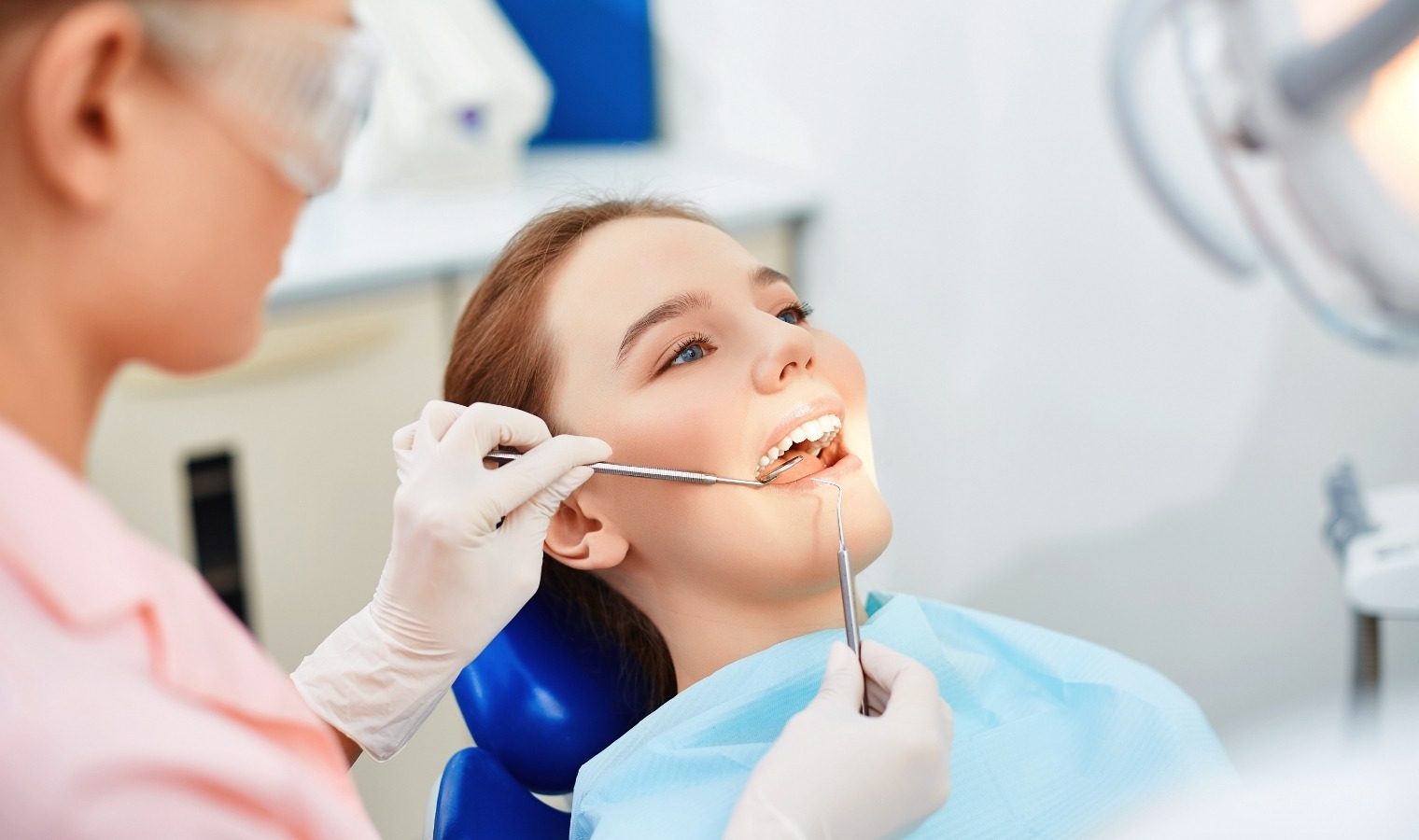
Comfortable, Precise Root Canal Care — Save Your Natural Tooth
Root canal treatment has an unfair reputation. With modern technology and technique, most patients at Dentistry 2000 describe their root canal as no more uncomfortable than getting a filling. Our goal is simple: save your natural tooth, relieve your pain, and get you back to your life — fast.
- Severe or persistent toothache that throbs or worsens at night
- Prolonged sensitivity to heat or cold after the stimulus is removed
- Darkening or discoloration of the tooth
- Swelling or tenderness in the nearby gums
- Persistent pimple on the gums near the tooth
- Deep cavity reaching the inner pulp of the tooth
- Cracked tooth exposing the nerve
We use the Dentsply Sirona X-Smart Pro+ rotary endodontic system — one of the most advanced root canal instruments available. This precision system:
- Shapes and cleans the canal with exceptional accuracy
- Reduces treatment time significantly compared to manual techniques
- Minimizes trauma to surrounding tissue for faster healing
- Produces predictable, reproducible, high-quality results every time
Step 1 — Diagnosis: Digital X-rays pinpoint the infection. Step 2 — Anesthesia: Local anesthesia ensures complete comfort. Step 3 — Cleaning: The infected pulp is removed and the canal is shaped and sterilized. Step 4 — Sealing: The canal is sealed with biocompatible gutta-percha. Step 5 — Restoration: A crown is typically recommended to protect the tooth long-term.
What is a root canal?
A root canal removes infected or inflamed tissue from inside the tooth, cleans and seals the canal, and helps save the natural tooth instead of removing it.
Does a root canal hurt?
With modern anesthetic and technology, root canal treatment is designed to relieve pain, not cause it. Most patients compare the experience to getting a filling.
How do I know if I might need a root canal?
Warning signs can include severe toothache, lingering hot or cold sensitivity, swelling, tenderness, a darkened tooth, a gum pimple, or pain when chewing.

A root canal is not something to fear — it's something to be grateful for. It means we get to save the tooth. With the right technology and technique, most patients are genuinely surprised by how comfortable the experience is.
Dr. A.R. Assadian, DDS — Dentistry 2000
Will I need a crown after a root canal?
Many back teeth need a crown after root canal treatment to protect the tooth from cracking and restore strength for chewing. Your dentist will recommend the best restoration for your tooth.
Is root canal treatment covered by insurance?
Many HMO plans provide coverage for root canal therapy and related restorations, but benefits vary. We can help estimate your benefits and explain payment options before treatment begins.
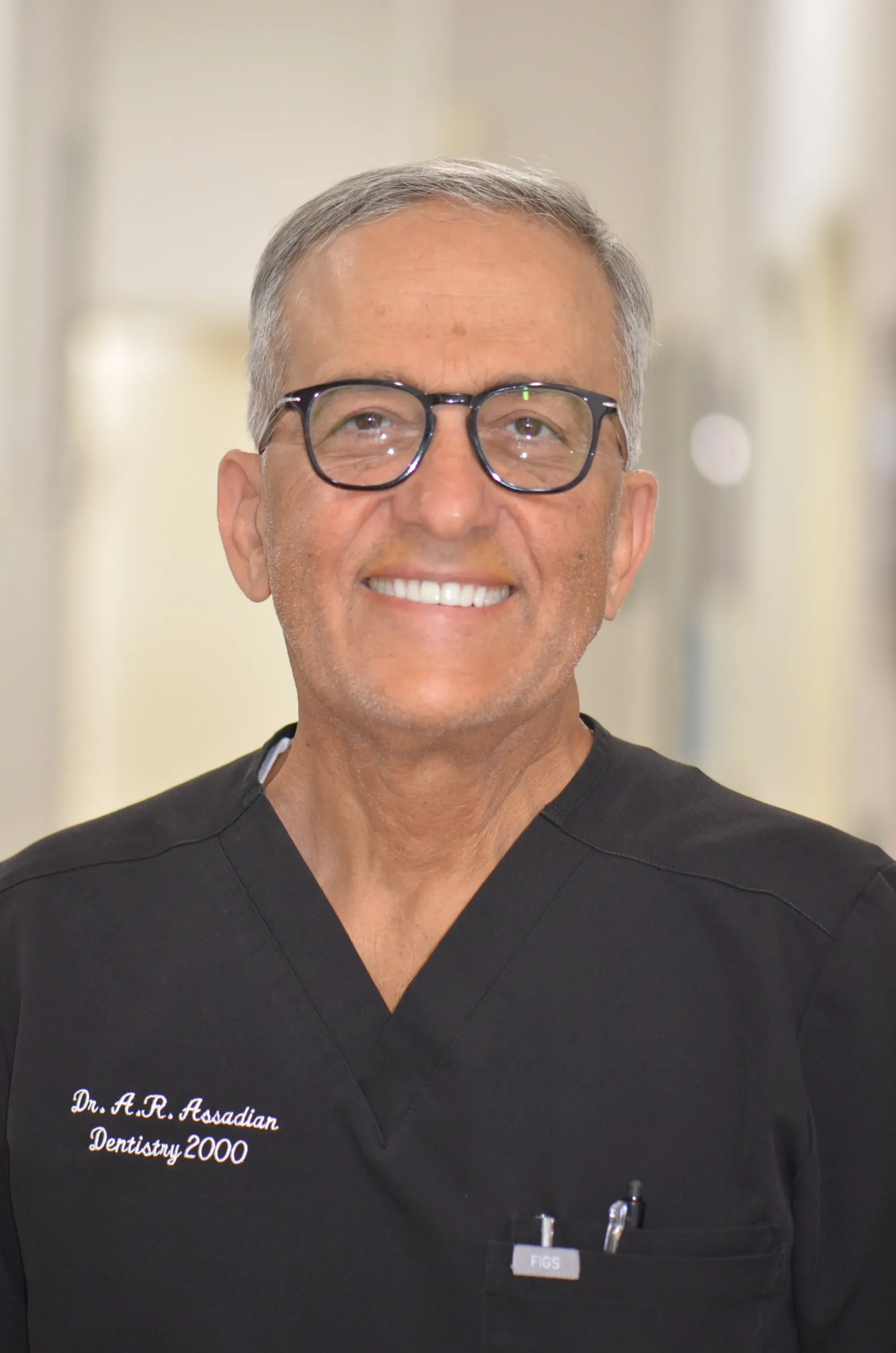
Dr. A.R. Assadian
Dr. A.R. Assadian, MS, DDS, founded Dentistry 2000 in 1999 with a vision to bring advanced, compassionate dental care to North County San Diego. With more than two decades of clinical experience, Dr. Assadian has become one of Oceanside's most trusted dentists, known for his gentle touch, artistic precision, and dedication to patient education.
 DDSUniversity of Maryland
 MSSan Diego State University
 BScPoint Loma Nazarene University